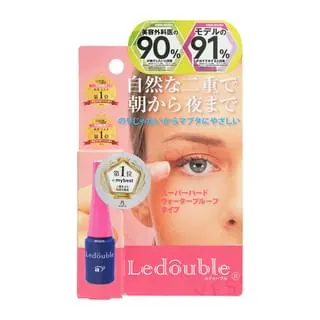
A device name can tell you less than its manual, model label and service documents. Before comparing attractive promises, establish exactly what is being offered. This approach separates product identification, operating information and evidence for claims so that each question can be checked independently.
Identify the exact product
Record the manufacturer, model number, version and intended use stated in the supplied instructions. Match those identifiers to the quotation, packaging photographs and any supporting documents. Similar housings or product names do not establish that two offers contain the same model, accessories or configuration. Ask the supplier to resolve inconsistencies in writing.
Create a comparison sheet with dimensions, power supply, controls, included attachments, consumables and maintenance requirements. Use a separate field for missing information rather than entering a guessed value. If a listing names a technology but provides no relevant settings or technical details, request the model-specific documentation before treating competing listings as comparable.
Examine the support for each claim
Write down the precise claim you are evaluating and ask what document supports it. Check whether the document identifies the same device, configuration, intended use and version. A photograph of a certificate without readable scope or identifiers is not enough to answer those questions. Ask for the complete relevant document and check its issuer and date.
Keep documented information separate from your interpretation. A supplier description, a user testimonial and a controlled study are different kinds of material; record which one you actually have. Do not convert before-and-after photographs into a guaranteed outcome. When suitability or professional-use requirements are unclear, seek an appropriately qualified assessment before choosing the device.
Complete the operational comparison
Read the instructions for restrictions, cleaning, inspection and required training. Do not create your own treatment settings from a catalog comparison. For an equipment purchase, ask who will provide installation, instruction, replacement parts and repair support, and how a fault is reported. Record the expected response process rather than assuming support is included.
Finish with a list of unresolved questions. A device can remain on your shortlist while a document is pending, but a blank answer should not become an approved specification. Choose on the basis of an identifiable product, a documented use case and workable support arrangements, with each important purchasing claim tied to evidence you can retain.


Community
The conversation
Be the first to share a thoughtful comment.