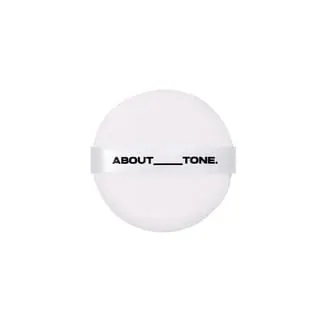
Sponges that look similar in a catalog may still feel different in use. A controlled sample comparison gives you a clearer purchasing record than choosing by color, shape or a supplier’s description alone. Keep your observations specific to the samples examined.
Make the comparison fair
Request the exact size, material declaration and packaging intended for the order. Record the supplier, item code and sample date on separate labels. If a supplier sends a handmade or specially selected sample, ask whether it represents normal production and whether a later production sample can be checked before shipment.
Use the same cosmetic formula and measured starting amount for each comparison. Follow each product’s stated dry or damp-use instructions; do not invent a preparation method. Keep the working surface, application area and observation time consistent. Comparing one sample dry and another damp without recording the difference makes the result difficult to interpret.
Observe handling, then inspect care
Record grip, access around contours, visible finish and how the sponge returns to shape after normal handling. Describe what you can actually see or feel. Avoid converting a subjective impression into a numerical performance score unless you have defined the scoring method before comparing the samples.
Inspect the sample after cleaning according to its own instructions. Note visible residue, surface damage, changes of shape and the time before it is fully dry under your recorded conditions. This exercise does not establish antimicrobial performance or a universal replacement interval. Those claims require their own appropriate evidence and should not be inferred from appearance.
Translate observations into an order specification
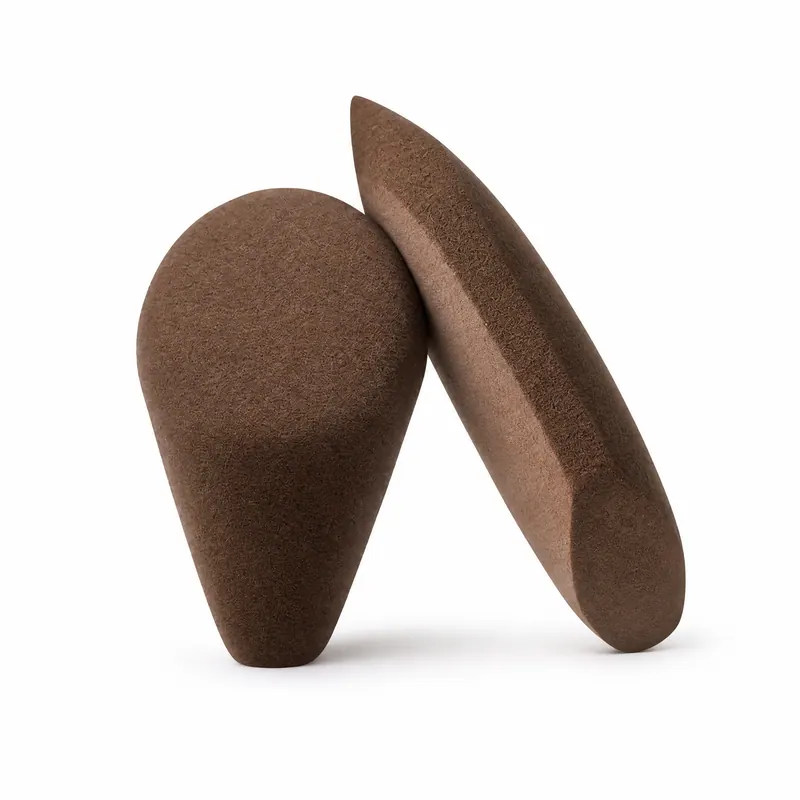
Agree on acceptable dimensions, color variation, surface finish and packaging condition in writing. Keep an approved reference sample and photographs. If several shapes are offered under one listing, record which shape and quantity your quotation includes. Confirm whether the quoted unit is one sponge, a pair, a set or a full display carton.
Ask how substitutions and future material changes will be communicated. Clarify replacement arrangements for damaged or nonconforming deliveries before placing the order. Your purchasing decision should connect the observed sample, its documented specification and the quoted packaging. A pleasant first impression is useful, but it is not enough to define a repeatable bulk order.
Community
The conversation
Be the first to share a thoughtful comment.