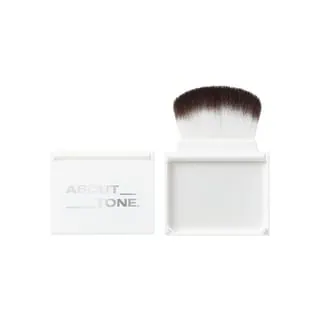
A useful makeup brush collection begins with the formulas, techniques and customers it must serve. This buying framework helps you compare construction and sample performance without confusing a long product list with a well-planned assortment.
Start with tasks, not the number of pieces
Write down the application tasks you need: placing foundation, blending edges, setting powder, adding cheek color and working around the eyes. Allocate a brush to each important task before considering a set. If several pieces repeat the same role, a smaller collection may leave more budget for useful replacement stock.
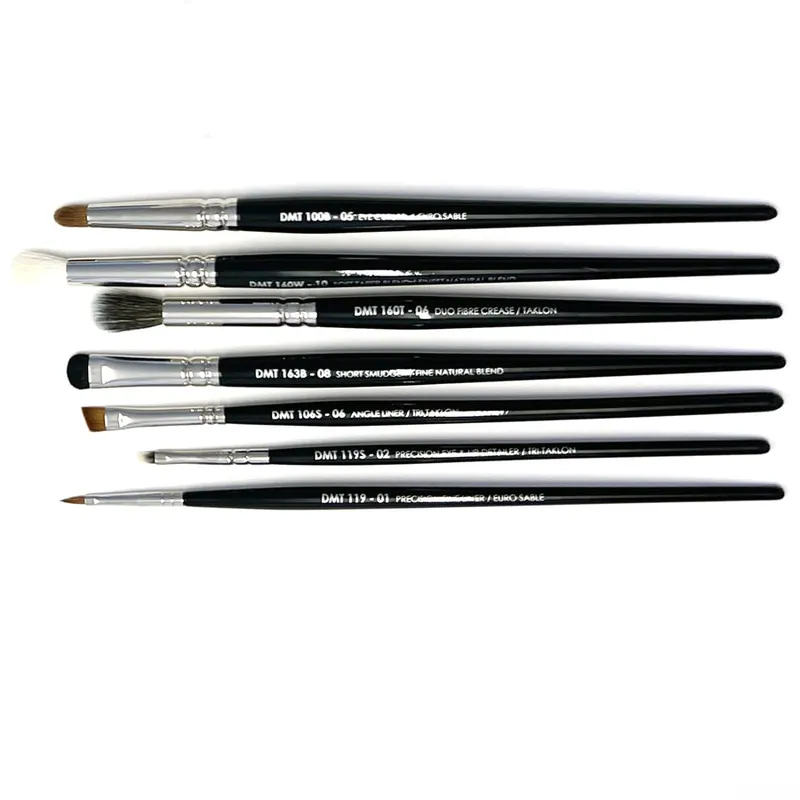
Define the products used during comparison. A sample tried with one liquid foundation should not be declared suitable for every cream or powder. Record the formula, amount, application method and surface used. Photograph the brush beside a ruler so that size and head shape can be compared across suppliers.
Turn attractive descriptions into checkable details
Ask for the declared fiber material, head dimensions, handle material and attachment method. Labels such as professional, premium or exceptionally soft are starting points for questions, not measurable acceptance criteria. If a material claim matters to your range, request documentation that identifies the exact product or production specification.
Inspect more than the brush tip. Examine the alignment of the head, the finish around the ferrule, the consistency of the handle and the legibility of printing. Follow the supplied cleaning instructions on a sample, then record visible changes. This is a buyer’s comparison, not a laboratory validation of durability or hygiene.
Approve a repeatable assortment
Use the same observation sheet for every sample and keep an approved reference. Describe defects concretely: a loose connection, uneven finish or an unacceptable dimensional difference is clearer than a general complaint about quality. Agree with the supplier which observations would trigger replacement, sorting or a production correction.
Finish with the business details: quantity for each shape, reorder availability, packaging, private-label artwork and the process for substitutions. A quotation for an entire set should also identify its individual contents. Your strongest choice is the assortment that matches your brief and can be supplied consistently, not necessarily the one with the most pieces.
Community
The conversation
Be the first to share a thoughtful comment.